Noticeable warning signs across West Virginia
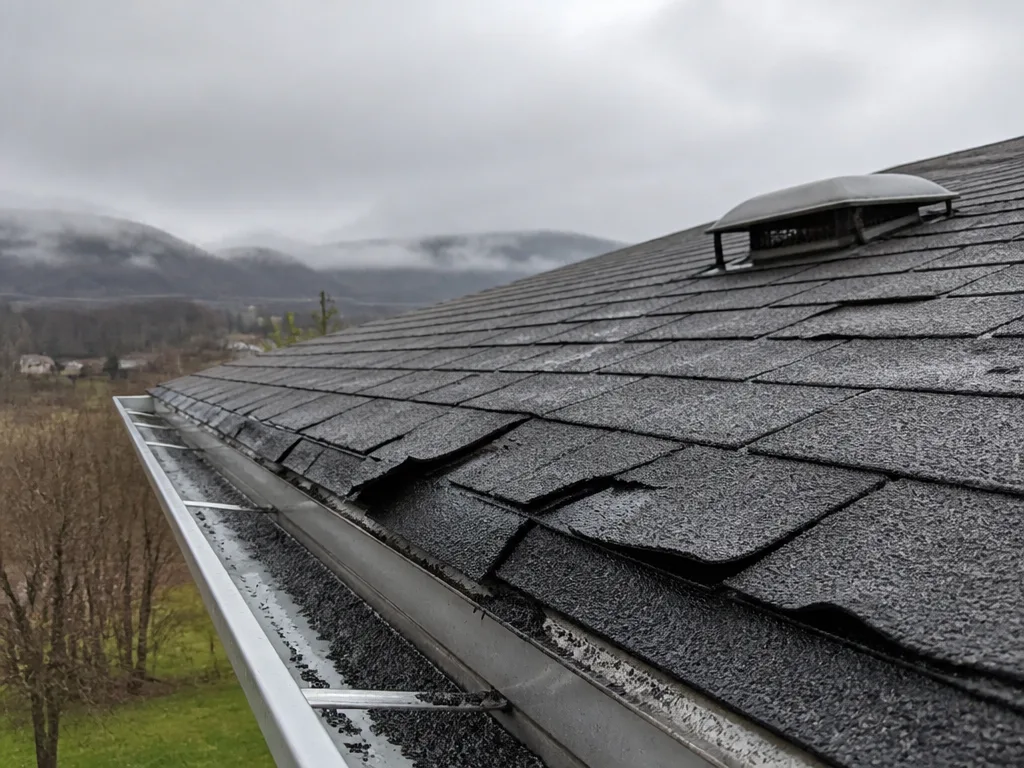
Roofers across West Virginia see the same trouble cues. Curling shingles often point to moisture intrusion or aging under stress from seasonal swings. Granules washing into gutters can signal shingle wear. Dark spots on interior ceilings or walls near the attic access may indicate roof deck moisture. If you notice these cues, act sooner rather than later, because West Virginia weather can accelerate damage during heavy rain or snow events.
Another common signal is peeling or blistering of interior paint near exterior walls. This often means roof sheathing has been compromised and must be inspected. Finally, if you hear unusual noises during wind storms or feel drafts in the attic, there could be gaps or loose fasteners that need attention by a roofer who serves all of West Virginia.
What these signs mean for your home
These indicators don’t always mean a full roof replacement is necessary. In many cases, a careful repair or targeted replacement of flashing, shingles, or underlayment can stop leaks. A roofer will assess the extent of damage, labor needs, and material costs before proposing a plan.
Statewide service in West Virginia requires a crew that understands local conditions. Our team at West Virginia Gutter Repair can review moisture patterns, attic ventilation, and shingle health to decide the best next step without overdoing repairs.
What to do if you notice warning signs
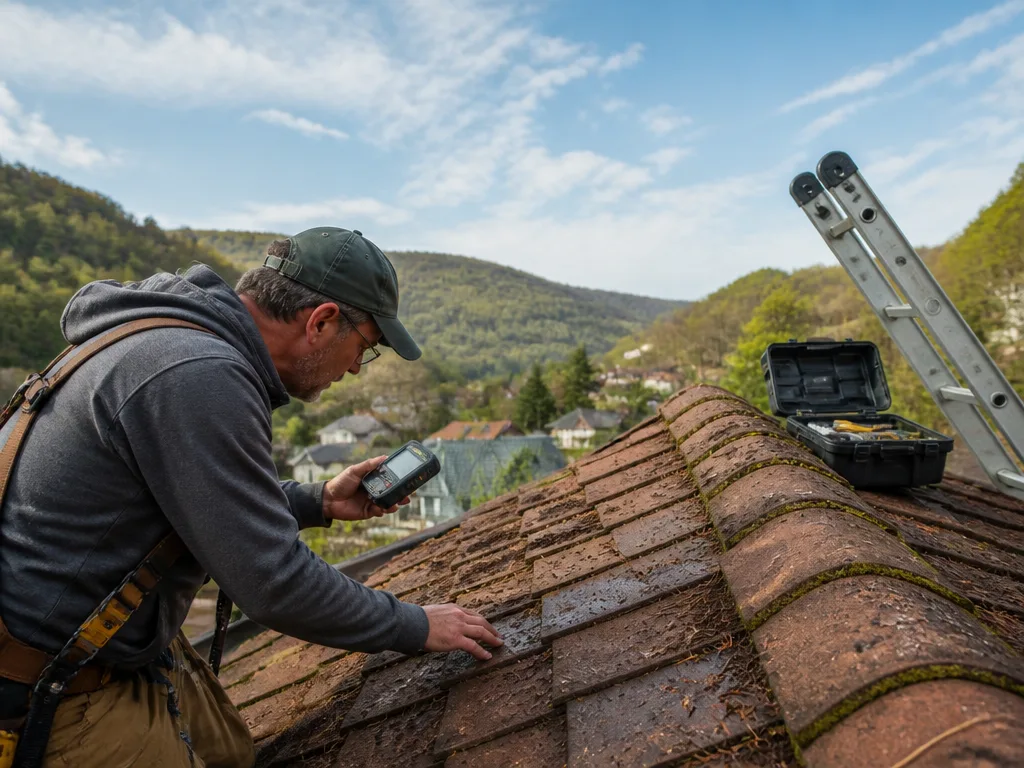
First, document the issue with photos and note when you first observed it. Then, arrange a countywide inspection with a roofer who services every corner of West Virginia. A typical inspection includes a quick climb to check flashing, valleys, and the attic, plus a written estimate that breaks down materials and labor. If you’re not sure what’s under the shingles, ask for a second opinion from a local crew that covers the state.